前沿产业与市场研究与分析
研究报告
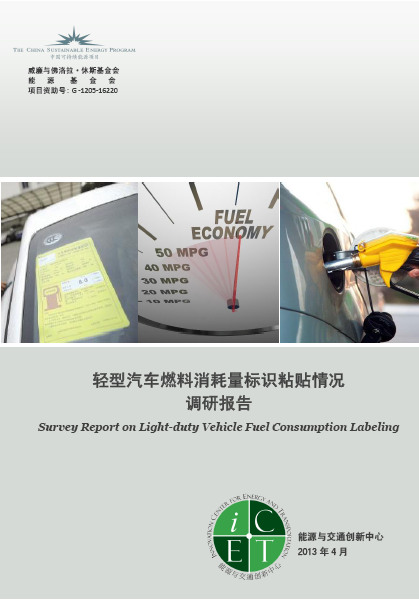
轻型汽车燃料消耗量标识粘贴情况调研报告
本报告通过实地走访了16个城市114家4S店,并依据汽车品牌、排量、油耗以及整备质量分别对贴标情况进行评估。报告旨在反映轻型汽车燃料消耗量消标识的粘贴情况,呼吁有关部门调整对企业的管理办法。
《AB32》法案学习手册: 2013年第Ⅰ期—加州碳交易体系之拍卖机制解析(2013年4月 / 碳管理项目)
2013年,加州总量控制交易体系正式启动,该交易体系覆盖了加州州内总排放的50%,并将于2015年,进一步扩大至85%,成为国际上继欧盟碳交易体系(EU-ETS)以来,覆盖范围最广的碳交易体系。该体系的正式运行,无疑为目前低迷的国际碳市场带来了新的希望。美国加州碳交易体系,改进了欧盟在前两个承诺期中以免费分配为主的配额分配方式,积极推进配额拍卖和配额价格控制储备等机制,以灵活调节配额的供需和价格波动,避免配额的过渡分配。本文在追踪加州目前的两次配额拍卖结果基础上,对其拍卖机制的细则进行了分析与总结,希望能为中国试点方案中配额分配的设计带来新的启发。
中国电动汽车可持续发展背景报告-中文摘要(2011年3月/清洁交通项目)
该报告由能源与交通创新中心撰写,并作为2011年5月2-13日在纽约召开的第19届联合国可持续发展会议的背景信息。该报告为中国汽车电驱动技术发展和电力交通促进政策和项目提供了全面而系统的解析,并也对相关技术发展及在私人和公用机动车领域电力使用的最新趋势和预测提供了分析。
燃油经济性和机动车排放标准全球展望:国际合作的政策选择和透视(2011年3月/清洁交通项目)
在联合国可持续发展委员会的邀请及支持下,能源与交通创新中心研究并撰写此报告。作为2011年5月2日-13日在纽约举办的联合国可持续发展委员会第十九届会议的背景信息,该报告更新并介绍了美国(包括联邦政府和加州),欧盟,中国,日本,韩国,加拿大,印度,及拉丁美洲发展中国家的燃料经济性和机动车排放标准的情况,并提出了比较不同国家和地区相关标准的方法学和可能的解决方案。
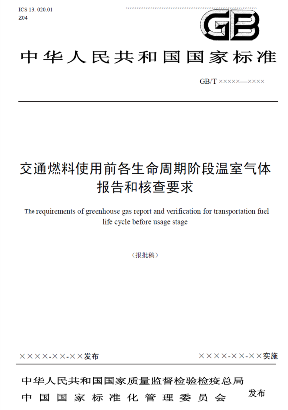
国家标准《交通燃料使用前各生命周期阶段温室气体报告和核查要求》(报批稿)(2010年12月/碳管理项目)
该标准系能源与交通创新中心推行的“中国低碳燃料系列标准Ⅱ”,为国家推荐性标准。对交通燃料生命周期温室气体评价报告以及核查进行了标准性规范,供交通燃料生产、炼制、供应等相关单位使用。该标准由能源与交通创新中心联合中国标准化研究院、清华大学、中国科学院生态环境研究中心、中国石油集团安全环保技术研究院、煤炭科学研究总院、中国粮油食品(集团)有限公司等七家单位共同起草,处于国家标准委报批程序中。
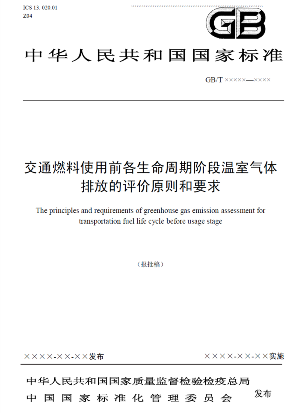
国家标准《交通燃料使用前各生命周期阶段温室气体排放的评价原则和要求》(报批稿)(2010年12月/碳管理项目)
该标准系能源与交通创新中心推行的“中国低碳燃料系列标准Ⅰ”,为国家推荐性标准。对中国交通燃料使用前各生命周期温室气体评价原则以及要求进行了标准性规范,供交通燃料生产、炼制、供应等相关单位使用。该标准由能源与交通创新中心联合中国标准化研究院、清华大学、中国科学院生态环境研究中心、中国石油集团安全环保技术研究院、煤炭科学研究总院、中国粮油食品(集团)有限公司等七家单位共同起草,处于国家标准委报批程序中。
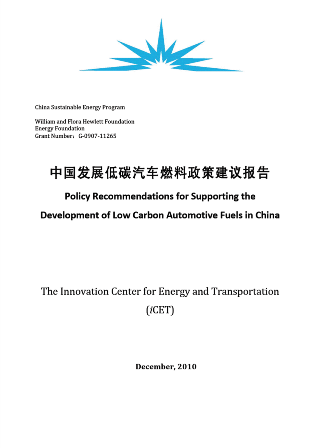
中国发展低碳汽车燃料政策建议报告- 报基金会稿(2010年12月/清洁交通项目)
该报告研究综合分析了中国汽车燃料的背景及国际低碳燃料政策发展经验,阐述了中国发展低碳汽车燃料的重要意义,同时,通过对汽车替代燃料典型情景分析,确定了中国低碳燃料的选择方法,建议了低碳汽车燃料的发展思路与目标,最后提出了发展中国低碳汽车燃料的七条政策建议。能源与交通创新中心建议通过政府推动、示范项目推广、政策倾斜、商业应用等举措,力争到 2030 年,平均汽车燃料温室气体排放强度减10%。形成一批具有国际一流竞争力的国内龙头企业,自主创新技术处于国际前沿,低碳燃料产品标准和技术标准都得到国内外的认可和应用。
国际LED技术和政策发展 (2009年12月/清洁技术项目)
本报告介绍了LED照明标准和质量控制方面的国际实践,为LED产业发展提出政策建议,建立和维护中国的LED产业信誉。LED产业同许多电子产业一样,是一个基于数据的产业,有效的测试、标准和标识系统是提升中国LED照明产业的关键。标准和标识系统必须透明,并能够有效地、快速地引导LED产业的健康发展。此外,消费者和生产制造商意识的提高对确保高质量产品的生产和销售也是非常重要的。对设计出众和能效较高,且通过严格检测的固态照明(SSL)产品可通过产品打折、纳入公众和私营部门采购清单等方式,给予奖励,协调LED产品的测试程序和国际标准也非常重要,有利于LED制造商为国内和国际市场设计和生产合适的产品。LED市场的发展需要技术发展、智能系统设计、经济激励、消费者认可和接受、畅通的营销渠道等多方面的助力。
中国乘用车燃油经济性标准体系及影响(2009年7月/清洁交通项目)
截止到2006 年年底,中国乘用车保有量已达到2,400万辆,将近为2001 年时的三倍。为减缓由于乘用车快速增长带来的能源消耗快速增长,中国在2005 年开始分两阶段执行乘用车燃油经济性限值标准。第一阶段限值标准执行后使新入市乘用车车队平均燃油消耗量降低了11%,从2002 年的9.1L/100km 降低到2006 年的8.1L/100km。尽管如此,根据我们的分析:到2009 年第二阶段限值标准执行后,新入市乘用车平均油耗将只会再降低1%左右,约为7.9L/100km,这主要是因为绝大多数在2006 年销售的新车已经满足第二阶段限值标准。同时,本文还指出中国乘用车市场的其他一些趋势,包括车队平均整备质量的逐年增长以及对进口车的约束空白潜在的抵消了从2002 年到2006 年取得的能效提升效果。显然在第二阶段限值标准以外仍然需要其他的努力和政策来减缓并最终扭转中国交通部门能耗和温室气体排放快速增长的趋势。
2008-2009年英国RTFO实施年度报告和中国低碳燃油发展建议的回顾 (2009年8月/碳管理项目)
本篇文章对2008年-2009年英国可再生交通燃料义务的实施年度报告和中国低碳燃油发展的建议做了细致而深入地介绍和回顾。