News I International Workshop on SAF Sustainability Certification Held in Beijing, Focusing on System Differences and Mutual Recognition
On January 20, 2026, the Innovation Center for Energy and Transportation (iCET) successfully hosted the "International Workshop on SAF Sustainability Certification" in Beijing. The workshop brought together over 60 Chinese and international representatives from airlines, energy companies, certification bodies, industry associations, research institutions, and international organizations to engage in in-depth discussions on the differences, challenges, and prospects for mutual recognition among global SAF sustainability certification systems.
Certification Differences Emerge as a Realistic Constraint on SAF Industrialization
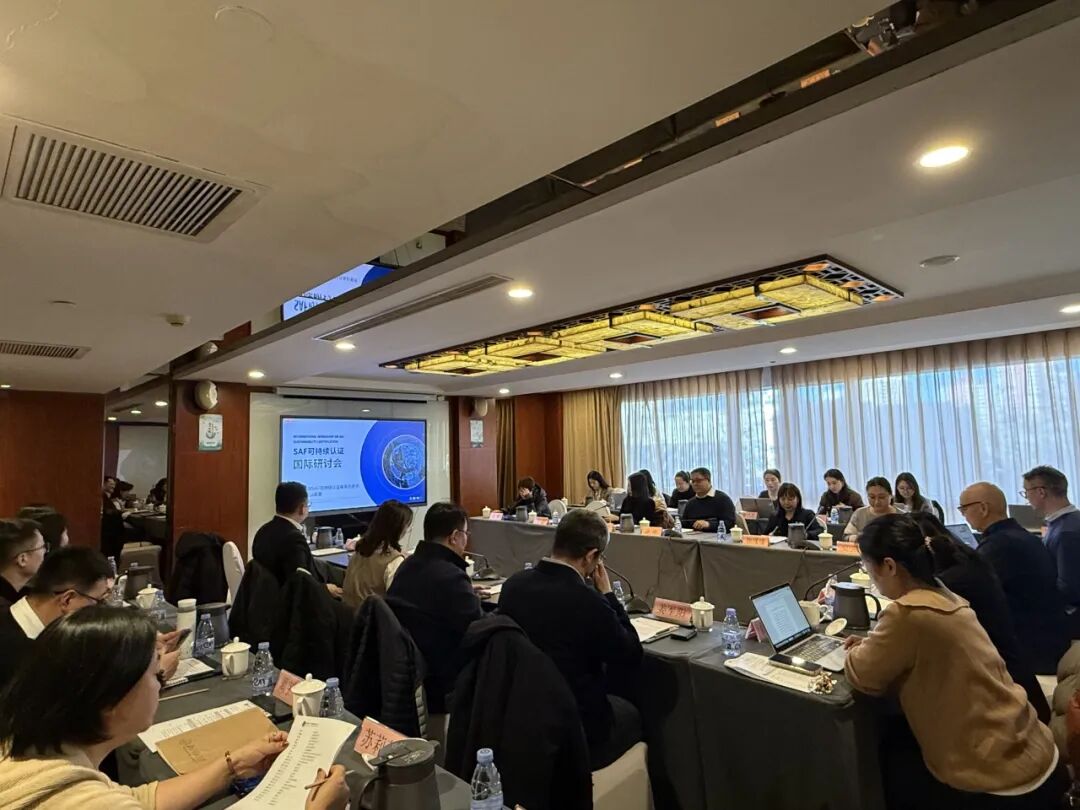
Figure: Workshop Scene
The workshop was moderated by Dr. Feng An, Honorary Director of iCET. He noted that against the backdrop of the global aviation industry accelerating its decarbonization efforts, SAF is moving from demonstration applications to an early stage of large-scale deployment. Unlike most energy products, market access for SAF is highly dependent on sustainability certification. Its feasibility is determined not only by technological maturity and cost levels but also significantly influenced by differing certification rules and policy tools across regions. ICAO has established a "global minimum standard," while the EU, the U.S., and China are respectively building or refining their own SAF sustainability frameworks. These, combined with international certification systems such as RSB and ISCC, collectively shape a multi-rule institutional environment.
Dr. Feng An emphasized that for the industry, differences among certification systems regarding feedstock scope, life-cycle assessment (LCA) methodologies, emission reduction baselines, and auditing requirements are already directly impacting technology route choices, investment decisions, and cross-regional trade arrangements for SAF projects. At a time when global SAF production capacity is being rapidly deployed and market demand remains heavily policy-driven, understanding how to navigate certification differences and whether realistic pathways for harmonization and mutual recognition exist are issues of widespread concern across the industry chain.
Sustainability Certification Logic Under Different Policy Frameworks
During the keynote speech session, representatives from China, the U.S., and Europe presented the core logic and implementation progress of their current SAF sustainability certification systems.
International Workshop on SAF Sustainability Certification
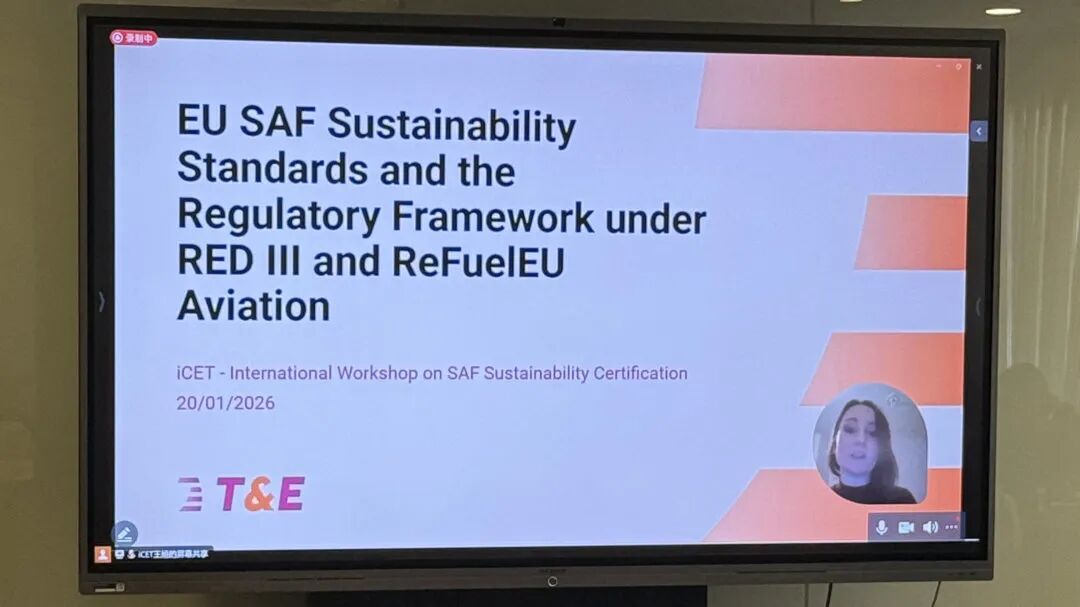
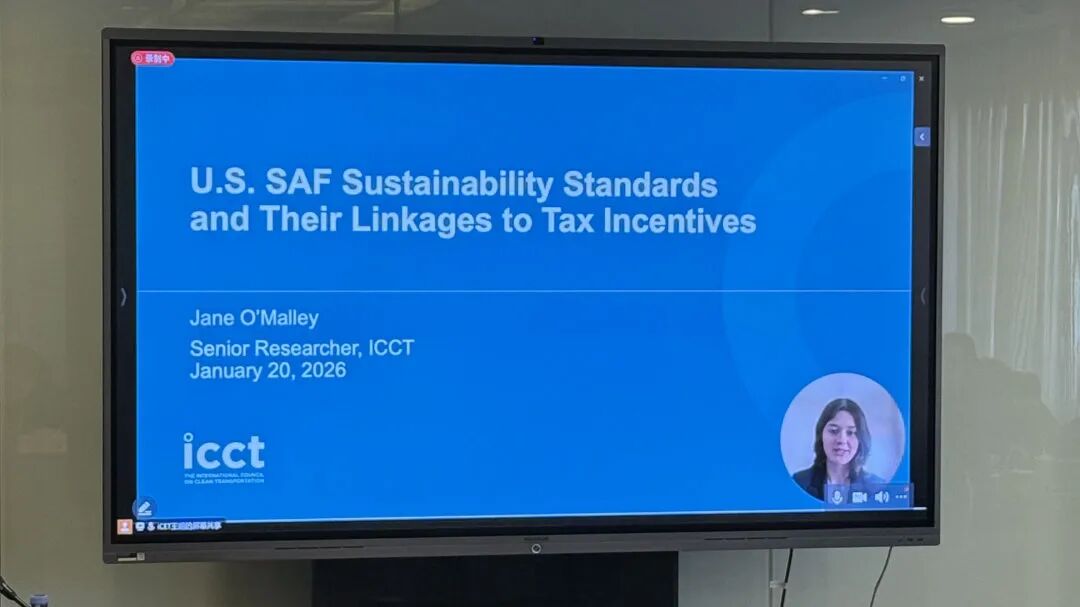
Figure: Two Speakers Presenting Online Keynotes
Jane O'Malley, Senior Researcher, Aviation Program, International Council on Clean Transportation (ICCT) , introduced U.S. SAF sustainability certification standards and their linkage mechanism with tax incentive policies. She noted that third-party verification and compliance with relevant sustainability requirements are important conditions for SAF to qualify for tax credits like 45Z. Her presentation outlined the SAF Grand Challenge goals and key requirements regarding emissions reduction thresholds, feedstock sources, and regional restrictions under recent policy adjustments. She emphasized the central role of LCA methodologies in calculating emissions reduction levels and project economics. She further pointed out that methodological choices related to indirect land use change, by-product allocation, and soil carbon sequestration significantly impact the certified emission intensity of SAF, and she compared the differences in sustainability requirements between the U.S., the EU, and the ICAO CORSIA framework.
Camille Mutrelle, Aviation Policy Officer, Transport & Environment (T&E) , shared insights on EU SAF sustainability standards and regulatory mechanisms. She noted that the EU, through the ReFuelEU Aviation Regulation, has set the world's first legally binding mandates for SAF and e-SAF (electronic SAF) use. Only three fuel categories—biofuels meeting strict criteria, recycled carbon fuels, and e-SAF—are considered sustainable. The sustainability core relies on the Renewable Energy Directive (RED III), strictly adhering to its Annex IX feedstock list and high emissions reduction thresholds (65% for biofuels, 70% for e-SAF), with stringent rules for renewable hydrogen and carbon sources for e-SAF production. Compared to other international frameworks, the EU standards currently set the most stringent regulatory benchmark in terms of emissions requirements, feedstock restrictions, and e-SAF sub-targets.
Xiang Guo, Associate Researcher, Institute of Environmental and Sustainable Development, Civil Aviation University of China , shared thoughts on China's SAF sustainability certification framework and prospects for international cooperation. She pointed out that China urgently needs to advance the construction of a localized sustainability certification system for its SAF development. Under an international environment dominated by U.S. and EU standards, insufficient mutual recognition of certifications and the lack of a localized life-cycle database with international comparability are affecting the accuracy of carbon emission accounting and its market applicability to some extent. She indicated that China has formed a clear policy orientation regarding the sustainability requirements for SAF feedstocks, prohibiting the use of food crops as raw materials, reflecting the food security principle of "not competing with food production." In the next phase, it is necessary to continuously improve relevant methodologies and data foundations, promote full-chain coordination with countries along the Belt and Road regarding resources, technology, infrastructure, and rule-based markets, and actively participate in global SAF governance.
Robert Earley, Director of Market Expansion & Strategy (China), SCS Global Services , shared experiences from international fuel sustainability and carbon certification programs from a practical perspective. He noted that the core logic of existing certification systems is to meet sustainability standards and rules across different markets. He suggested that in building its own SAF certification system, China should first serve domestic market needs before gradually seeking coordination and mutual recognition with international systems. He also introduced the "book & claim" mechanism and elaborated on its key role in promoting large-scale SAF application.
Roundtable Discussion: Real-World Issues of Differences, Costs, and Mutual Recognition
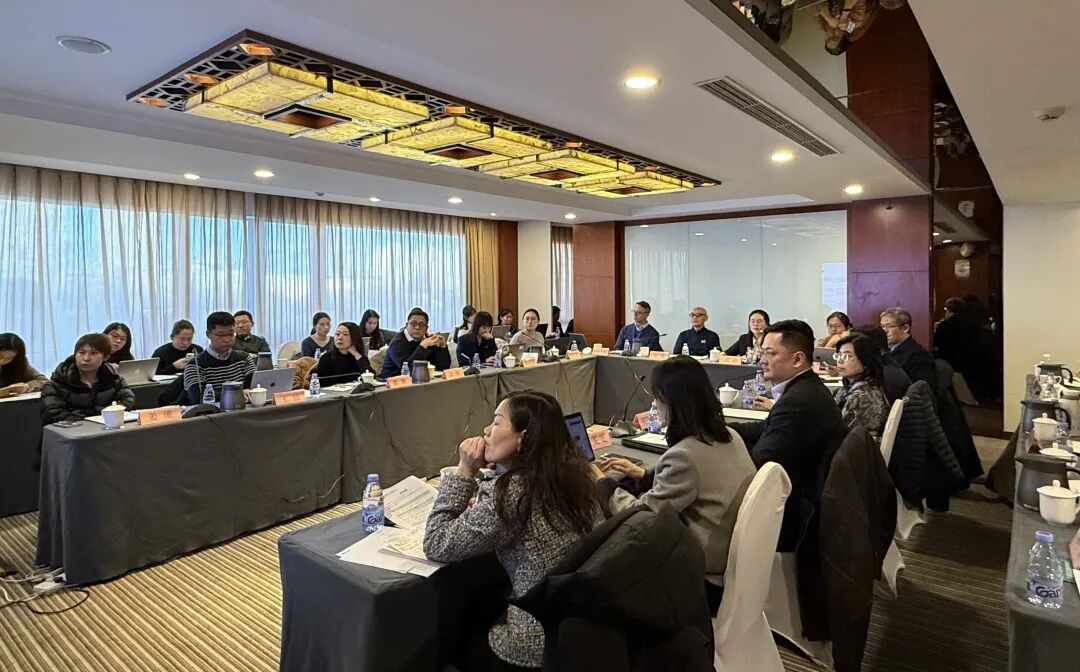
Figure: Roundtable Discussion Session
During the roundtable discussion, more than ten experts shared their industry practices, experiences, and insights. Participants included Jingyu Yan (China Petroleum and Chemical Industry Federation), Yuting An (China Quality Certification Center), Jinjin Xu (Boeing China), Min An (Beijing Zhongtan Zhonghe Certification Service Co.), Shen Wang (Yalu Hangyou Co.), Zhe Wang (Rocky Mountain Institute), Shiyan Chang (Tsinghua University), Cheng Chen (China Southern Airlines), Junyang Jiang (Global Green Fuel Centre), Kai Zhao (Methanol Institute), Xiaorui Xun (Air China Group), and Liping Yan (U.S. Grains Council).
Experts generally agreed that the development of SAF and related sustainable fuels requires balancing industrial scale-up with the construction of certification systems. Certification systems should serve both domestic market needs and international dialogue, coordination, and mutual recognition. However, setting the bar too high in the early stages of industrial development could hinder the application of new technology pathways and feedstocks. Industrial foundation, technological route diversity, feedstock liquidity, and tradability are key factors. Methodological harmonization, data mutual recognition, and digital tools are fundamental for system coordination and mutual recognition, which can effectively reduce certification costs, improve efficiency, and facilitate trade. All parties emphasized that the ultimate purpose of certification is to drive industrial development, enhance market trust, and support carbon reduction and green energy goals.
The workshop concluded successfully amid lively discussion and positive consensus. Dr. Feng An stated in his closing remarks that China's R&D across multiple SAF technology routes has become internationally competitive. However, building, refining, and gaining international recognition for certification systems will take time. Therefore, establishing and forming a large domestic market with Chinese characteristics is a crucial condition for gaining a voice in international sustainability certification. Only driven by sufficient domestic market demand can Chinese enterprises achieve scale-up, reduce costs, and enhance their say and influence in the global market.
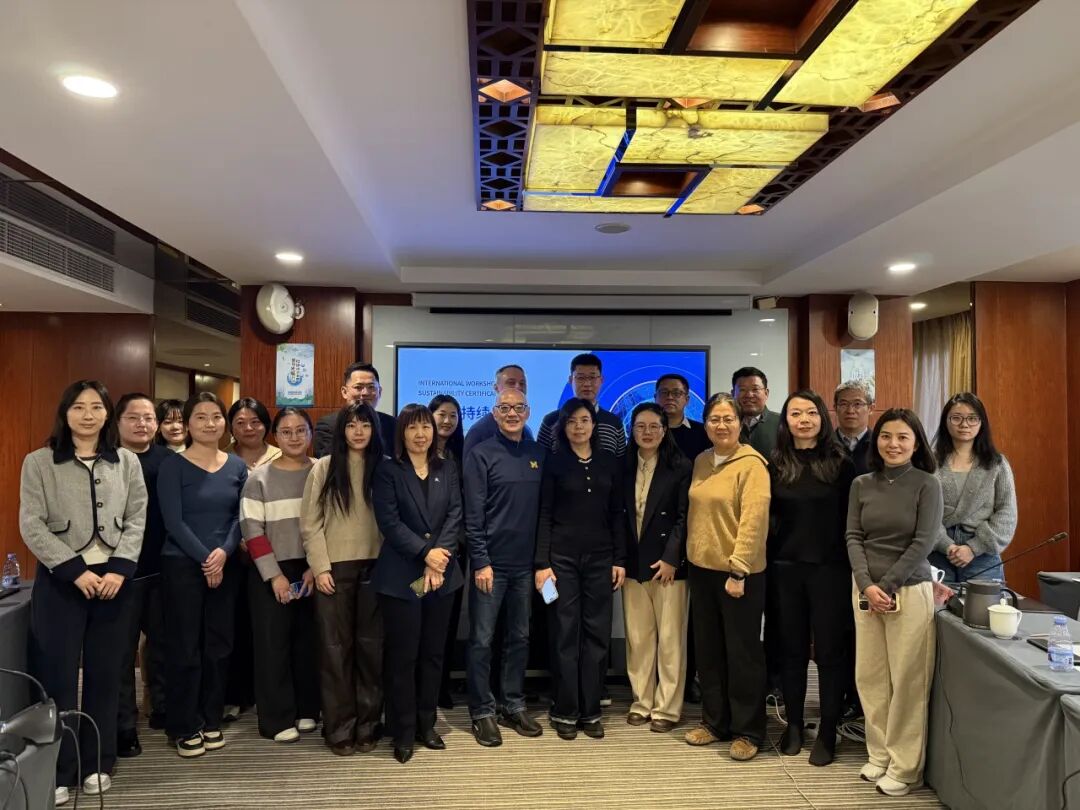
Figure: Group Photo of Some On-Site Guests
Conclusion
This workshop aimed to help stakeholders across the industry chain better understand the differences and trends in global SAF sustainability certification systems through professional and rational discussion, providing references for future policy coordination and market decisions. The Innovation Center for Energy and Transportation (iCET) will continue to build communication platforms around SAF-related issues, supporting the thriving development of the global SAF industry within a more transparent and predictable institutional environment.